CPAC Modular White Paper Examines Sensory-Inclusive Design for Schools
- Sarah
- 673 reads
CPAC Modular’s paper looks at how lighting, acoustics, layout and modular construction can support more sensory-aware learning environments.
School design decisions shape more than how quickly a building can be delivered or how much it costs to construct. They also affect the sensory conditions in which pupils learn and take part in school life. A white paper from CPAC Modular examines how those conditions can be considered across educational buildings, with sensory inclusion treated as a design concern for the whole school rather than only for specialist rooms.
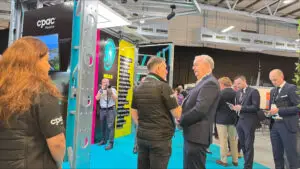
Titled “Sensory Design: A New Perspective on Educational Environments,” the paper was launched at Education Buildings Ireland at the RDS in Dublin. It draws on published research and international case studies to examine connections between sensory experience and the built environment. Its intended readers include architects, school leaders and other people involved in planning educational spaces.
The paper’s central design premise is that learners respond to more than what they see and hear. It considers seven sensory systems: sight, hearing, touch, smell, taste, vestibular input, which relates to balance and movement, and proprioception, or awareness of the body’s position. Those systems provide a broader framework for thinking about how a room’s physical qualities may affect comfort and participation.
Design choices that shape sensory experience
Lighting, acoustics, ventilation, materials, movement routes and classroom layout are among the building elements the paper examines. These features interact in everyday use. A classroom, for example, is not experienced as a set of separate specifications: its arrangement, surfaces, air and sensory conditions form the setting in which pupils and staff spend time together.
That makes sensory-conscious design a question of coordination. A design team can consider how people move through a building, how rooms are arranged and what sensory conditions different activities may call for. The paper presents these considerations as ways to support more comfortable and accessible environments. It does not supply numerical targets or a one-size-fits-all specification in the material described here, so project teams would need to assess suitable solutions for each building and its users.
Gavin Fox, CPAC Modular’s Director of Business Development, said the way educational environments are designed affects how students experience learning. He described the paper as a prompt for discussion about sensory-conscious design and said considering sensory needs early could help schools create more comfortable, accessible and inclusive settings.
Universal design across the school
A key argument is that sensory considerations should not be reserved for specialist special educational needs spaces. The paper advocates embedding sensory awareness throughout the educational environment. That approach takes the range of learners, ages and abilities in a school as a starting point for design, rather than assuming that one particular room will meet every sensory need.
For designers, this shifts the question from whether a building contains a dedicated specialist space to how its shared areas and ordinary teaching rooms work for different users. Classroom layouts and circulation routes, for instance, are part of the overall design picture alongside lighting, materials and acoustics. The paper’s framing invites teams to consider these elements from the outset, while recognising that individual schools and learning communities have different requirements.
There’s a practical reason to take that view early: decisions made during design can be harder to address once a building is complete and in use. The paper argues that integrating sensory-conscious features at the planning and production stages may reduce the need for costly, disruptive modifications after completion. It presents early consideration as an opportunity, rather than giving a cost estimate or claiming that later changes can always be avoided.
Where modular construction fits
CPAC Modular also connects sensory-aware design with modular construction and off-site manufacturing. In this approach, opportunities to incorporate design features can be considered during design and production, before modules are assembled into an educational building. The paper’s point is that the construction method may give project teams a chance to coordinate these considerations earlier in the process.
That connection matters because sensory decisions involve multiple aspects of a building, from room layout to ventilation and finishes. Considering them as part of the design and production process gives the team a defined stage at which to assess how those elements fit together. The paper does not identify particular products, performance ratings or construction specifications, so the value for any project will depend on what its designers choose and how those choices meet the school’s needs.
For education projects, the takeaway is a wider brief for design reviews: assess how the physical environment supports a varied school community, and bring sensory questions into planning before construction is complete. CPAC Modular’s paper frames modular production as one route for addressing those questions early, while its broader argument applies to the design of educational spaces as a whole.