Aerial Lift Telematics Can Improve Maintenance Planning and Parts Readiness
- IoT.Business.News
- 612 reads
Connect operating data, inspections and accurate parts records to spot maintenance needs earlier and reduce avoidable aerial lift downtime.
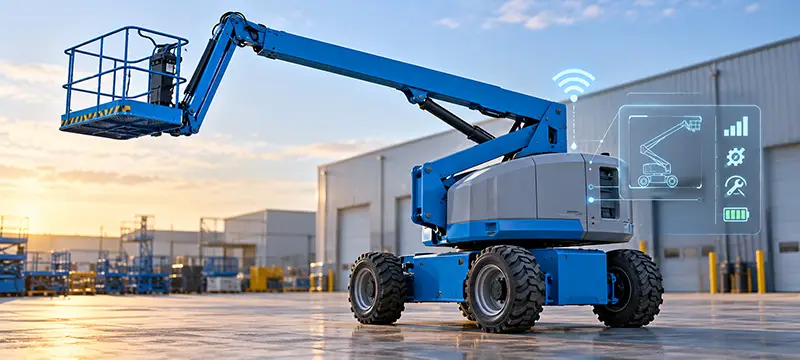
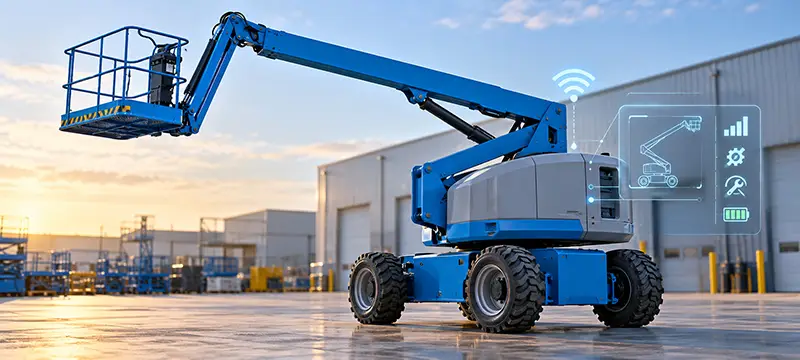
Aerial lift downtime often starts with a small problem and grows when diagnosis, parts identification or ordering takes too long. Telematics can help maintenance teams spot changes in a machine’s operating history, while clear asset records and planned inventory make it easier to act. The practical gain comes from joining those signals to inspection findings and verified component information; connected data alone can’t confirm which part needs replacement.
Use machine records to verify parts
A model number is only a starting point when identifying a replacement component. Record the lift’s serial number, year when available, and details about the failed part. Photos of the component, label, connector, mounting position and surrounding assembly can help a technician or supplier check compatibility before an order is placed.
Service and operator manuals, maintenance records, earlier invoices, and manufacturer diagrams provide further checks. A Genie parts catalog can help match components to a lift model and assembly. Electrical and hydraulic parts deserve particular care: a small mismatch may turn a straightforward repair into extended troubleshooting.
For a connected unit, an asset identifier and recent diagnostic record can help locate the machine that needs attention. Fault codes are clues, though, not a parts list. Confirm fitment using the serial number and manufacturer documentation.
Turn operating signals into maintenance reviews
Depending on the lift and its sensors, telematics may provide operating hours, fault codes, battery status, charging events or other diagnostic information. Maintenance teams can use these records to prioritize inspections and review a machine’s history between scheduled service visits. What each system can measure varies by model and retrofit equipment, and not every failure can be predicted from remote data.
Connected monitoring works best alongside routine checks and the manufacturer’s service procedures. A warning or change in a trend should prompt a review; it doesn’t replace inspection or authorize a repair on its own. That distinction matters when the reported condition involves controls, unusual movement or another safety concern.
Planning parts around maintenance needs can also reduce rush orders, avoidable returns and time spent waiting for a component. A lift with a worn switch, leaking hydraulic part or damaged control may disrupt a job schedule and consume technician time. Accurate records help teams respond with less guesswork and make maintenance spending more predictable.
Look for patterns in repeat failures
Batteries and chargers, tires and wheels, hydraulic hoses and fittings, control boxes, switches, sensors, limit switches, joysticks, platform controls, filters and seals are among the items aerial lift fleets may replace. Recurring failures can point to conditions worth investigating rather than a simple need to keep ordering the same part.
Repeated battery problems may lead a team to review charging habits. Tire damage may call for a closer look at the terrain and how the machine is used. Frequent control issues could warrant checking whether dust, moisture or impacts are contributing. These are diagnostic leads, not conclusions: an inspection is needed to identify the cause.
Tracking failures by machine model and job type can reveal patterns over time. Operating context can help frame that review. Where equipment supports it, battery voltage, engine hours, charging events and fault reports may add useful history. Their availability and value depend on the lift and monitoring system.
Link inventory to asset and service records
A spreadsheet can be enough for a small fleet if it stays current. Record each machine’s model, serial number and service intervals, then identify commonly replaced items and set stock levels for predictable wear. Larger or mixed fleets may benefit from a computerized maintenance management system (CMMS) that connects asset records, work orders and inventory.
For each stocked part, track its number, description, compatible machines, quantity on hand, reorder threshold, supplier, lead time and last purchase date. If a telematics system can pass operating-hour readings or diagnostic alerts into maintenance software, use them to trigger a review. Verify the condition before ordering or replacing a component.
Keep parts labeled and stored in a clean, dry area so technicians can find them quickly and protect items such as hydraulic seals. A useful workflow is simple: review the equipment alert, inspect the lift, create a work order and check stock. Automating records can reduce administrative delays while leaving safety-critical repair decisions to qualified staff and established procedures.
Choose parts and suppliers with fit in mind
OEM parts can be a practical choice for fit, performance and warranty alignment, particularly for model-specific controls, sensors and assemblies. Aftermarket items may suit some wear applications when a reputable supplier confirms they meet the needed specifications. Rebuilt components may be considered for older machines when new assemblies are costly or difficult to source.
Before ordering, check whether the component is safety-critical, whether compatibility is confirmed, what warranty applies, how quickly it can ship, and whether installation requires calibration or extra labor. A low purchase price may not save money if a poor fit or early failure adds technician hours and more downtime.
Supplier support matters as well. Clear product descriptions, diagrams, responsive fitment assistance and realistic shipping estimates can reduce mistakes. Standardize requests with the machine’s model and serial number, symptoms, relevant photos and the urgency of the repair. Review suppliers over time using order accuracy, fill rates, shipping speed and return handling; the cheapest source may cost more if errors are frequent.
When teams share asset and component details with suppliers, compatibility still needs to be checked against approved documentation. Telematics can help identify the unit and its history, but it doesn’t establish that a part will fit.
Keep inspections at the center
Build connected monitoring around a consistent maintenance routine: pre-shift visual inspections, battery and terminal checks, inspection of hydraulic fluid and hoses, review of tires and wheels, function tests for controls and safety systems, and scheduled replacement of service items. Operators should report sticky controls, slow lift response, uneven tire wear or small hydraulic leaks early, before the machine becomes unusable.
Assign someone to review remote alerts and record what happened next. Keep access to fleet platforms controlled, and update connected devices according to vendor guidance. Telematics should add evidence to an operator’s observations, especially when a safety-related fault or unusual movement is reported.
The useful measure of an IoT maintenance system is whether it helps teams connect machine signals to inspections, service history and correctly identified parts. That link can shorten diagnosis and improve parts readiness, while routine inspections and established service procedures remain central to keeping lifts available for work.