EBest Circuit Showcases PCBA Capabilities at Canton Fair 2026
- Love PCB
- 596 reads
EBest Circuit presented assembled boards and manufacturing services in Guangzhou, covering sourcing, inspection, testing and production support.
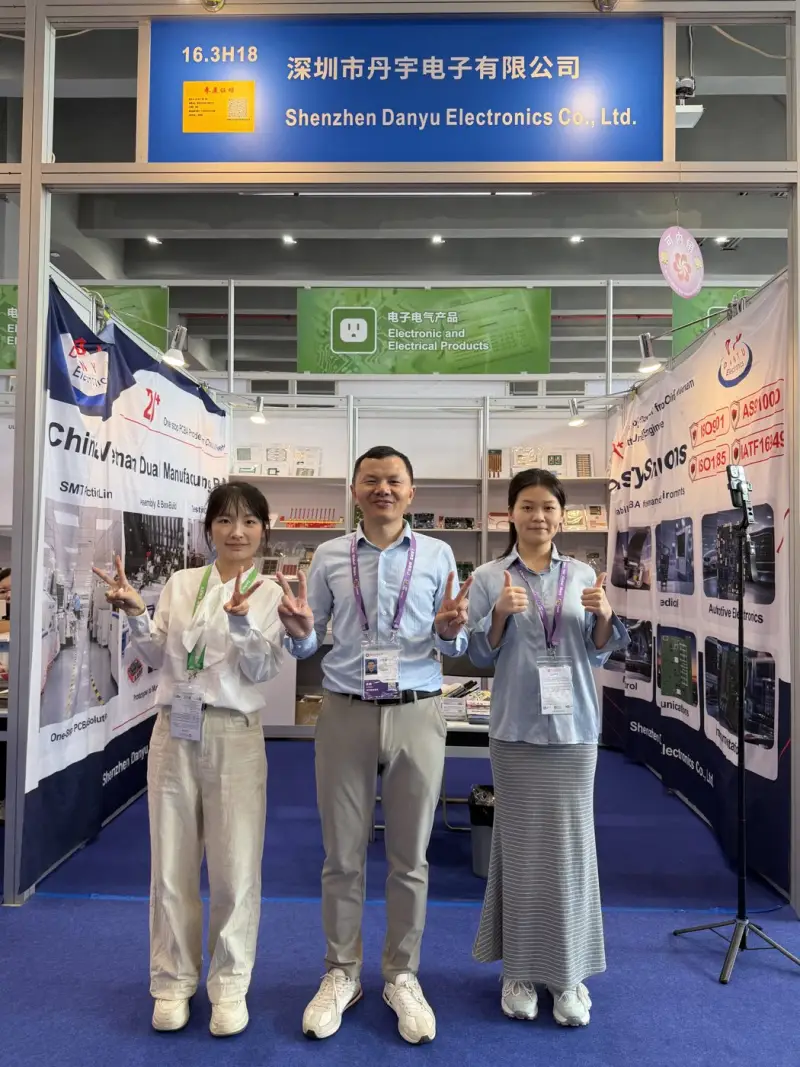
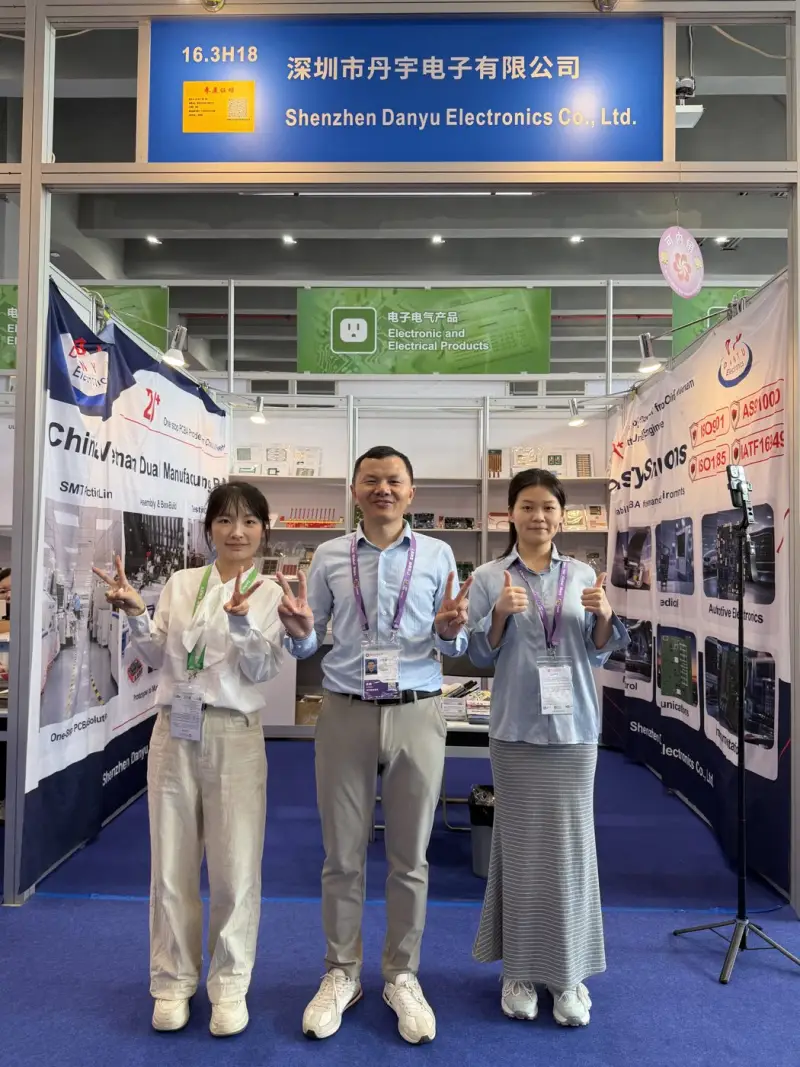
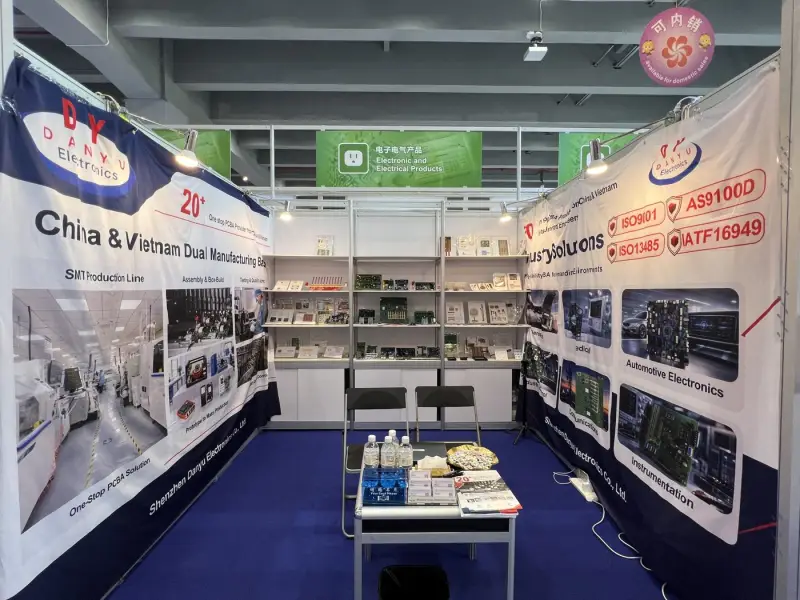
EBest Circuit used Canton Fair 2026 Autumn to put assembled circuit boards at the center of its manufacturing discussions. At Booth 16.3H18 in Area C of the China Import and Export Fair Complex in Guangzhou, visitors could examine PCBA samples and discuss how board construction, component sourcing, inspection and testing affect a project’s path to production.
The five-day exhibition ran from October 15 to 19, 2026. EBest Circuit’s focus was PCB assembly (PCBA), with conversations spanning customers, engineers, purchasing teams and distributors. Some arrived with active projects; others were assessing manufacturing capabilities for future work.
From board samples to production questions
A populated board gives engineers and manufacturing teams something concrete to discuss. At the booth, conversations moved from the samples on display to requirements such as board construction, package types, connector assembly, component availability, inspection methods, lead time, traceability and production planning.
EBest Circuit described services across PCB fabrication, component sourcing, surface-mount technology (SMT), through-hole assembly, prototypes and volume production. Its manufacturing scope also includes automated optical inspection (AOI), X-ray inspection, functional testing, conformal coating, cable assembly and box build.
The range matters because assembly decisions depend on the actual board and its use. Package density, component selection, thermal demands, test needs and production quantity can all shape the process. A conversation around a physical assembly can help surface those requirements earlier than a general capabilities discussion.
Assembly formats and production scale
The PCBA capabilities presented covered SMT, through-hole and mixed-technology assembly, including BGA, QFN and fine-pitch components. EBest Circuit also listed double-sided, flexible, rigid-flex and metal-core PCB assembly, with production options from prototypes and low volumes to medium- and high-volume manufacturing.
Inspection and verification services include AOI, X-ray, in-circuit testing (ICT) and functional testing. The company also offers turnkey component sourcing, conformal coating, cable and wire assembly, and box-build services. Together, these options let a project combine board assembly with additional manufacturing stages when required.
The exhibition samples represented varied component densities, packages, connectors and board structures. That gave visitors a way to discuss practical concerns, such as how to inspect a BGA, manage connector assembly or plan a move from prototypes to higher-volume production. The appropriate approach depends on the design and the customer’s requirements.
Industry requirements shape the process
Visitors discussed electronics for industrial automation, control equipment, sensors, monitoring systems and motor controls. These applications can place emphasis on consistent assembly and stable production over time. Automotive projects may require attention to process control, traceability, testing and manufacturing consistency; medical electronics can call for controlled processes, documentation and traceability.
Communication equipment brings a different mix of considerations, including dense placement, connectors, RF circuitry, high-speed signals and controlled impedance. Energy storage, charging equipment and power conversion can bring current and thermal requirements into focus. Aerospace-related electronics may place particular weight on documentation, traceability and process control.
These examples point to a practical constraint: no single production flow suits every PCBA. The design, operating environment, components, build quantity and verification needs all affect manufacturing choices.
PCB fabrication through finished assembly
EBest Circuit presented PCB technologies including multilayer, HDI, flexible, rigid-flex, metal-core, heavy-copper, high-Tg, high-frequency, high-speed and impedance-controlled boards, along with ceramic and copper-based PCBs. Its project support can continue from fabrication through stencil preparation, component sourcing, SMT and through-hole assembly, inspection, programming, testing, coating, cable assembly and box build.
Coordinating fabrication and assembly within one project can allow manufacturability and assembly requirements to be reviewed together. It can also give purchasing teams a single point of coordination across stages that might otherwise involve several suppliers.
Quality systems and project-specific checks
The quality credentials listed by EBest Circuit include ISO 9001, ISO 13485, IATF 16949, AS9100D, UL, RoHS, REACH and SGS. The company described a production flow that can include incoming material inspection, solder-paste inspection (SPI), SMT placement, reflow, AOI, X-ray, through-hole assembly, electrical and functional testing, final inspection and production records.
The inspection and test plan is selected for the board and customer requirements. The listed capabilities describe available process stages; the source provides no specific test results or acceptance criteria for the samples shown at the exhibition.
Next exhibition: Electronica 2026
EBest Circuit’s next listed exhibition is Electronica 2026 in Munich, Germany, from November 10 to 13. The company plans to exhibit in Hall A1, Booth 178, continuing discussions about PCB and PCBA manufacturing, component sourcing, testing and integrated production support.
For teams evaluating a project, the practical takeaway from Guangzhou is to bring the design and production details into the manufacturing conversation early. Gerber files, a bill of materials, pick-and-place files, drawings, quantities, and testing or programming requirements can help define the review that follows a first discussion.