DMC Electrical Engineering Summit Combines EPLAN Training, Cobot Wiring and UL 508A
- DMC
- 925 reads
DMC engineers used a four-day Chicago summit to compare design tools, wire cobot I/O, document shared procedures and complete UL 508A training.
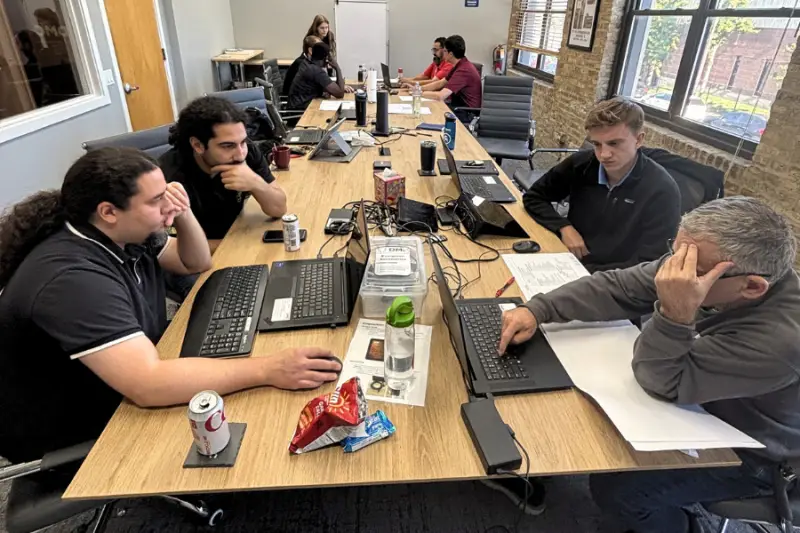
DMC’s four-day Electrical Engineering Summit turned time together in Chicago into practical resources for a geographically distributed team. Engineers compared electrical design workflows, wired simulated I/O for a collaborative robot, documented shared procedures and completed Manufacturer Technical Representative training on UL 508A requirements. The work ties day-to-day design decisions more closely to panel fabrication and gives engineers common reference material across offices.
Comparing electrical design workflows
After attendees arrived in Chicago, engineers Esther Warren and Brandon Griffis led a walkthrough of EPLAN, a platform developed for electrical design, schematics and layouts. Small groups then explored its features and compared its workflow with AutoCAD.
Electrical Engineering Manager Oscar Huicochea described EPLAN as a more specialized tool for electrical work. That distinction was the focus of the exercise: engineers could examine how a platform built around electrical documentation supports their work and discuss where its workflow differs from a more general CAD approach. The summit did not frame the comparison as a single answer for every project; it gave the team a shared basis for choosing tools.
A cobot wiring project across disciplines
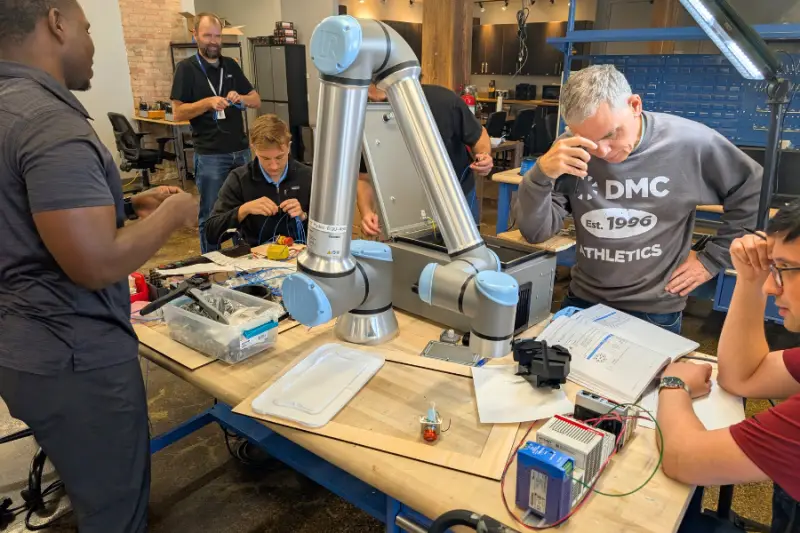
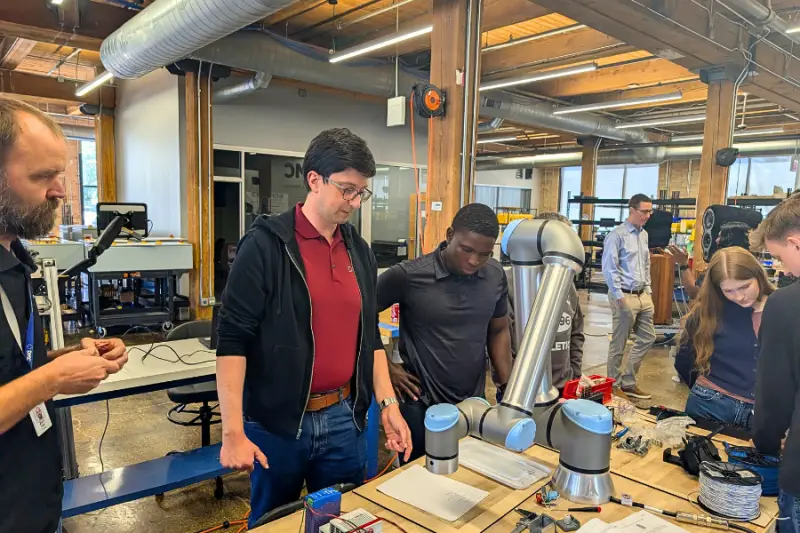
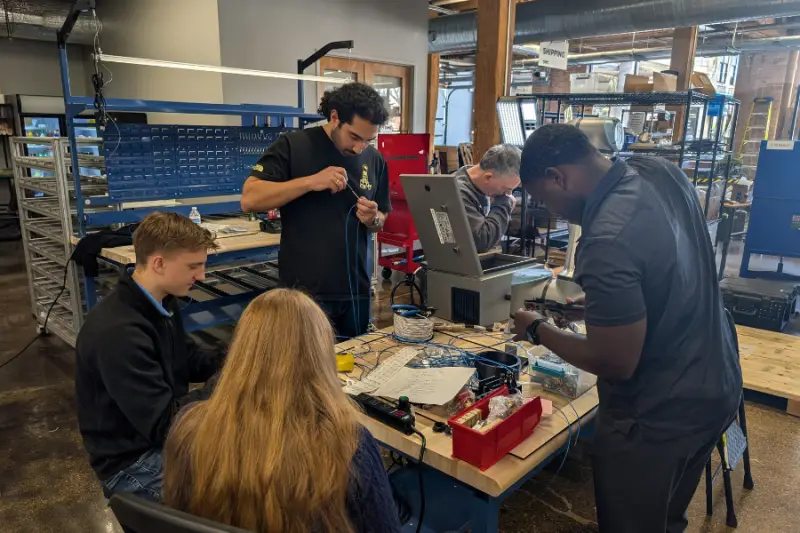
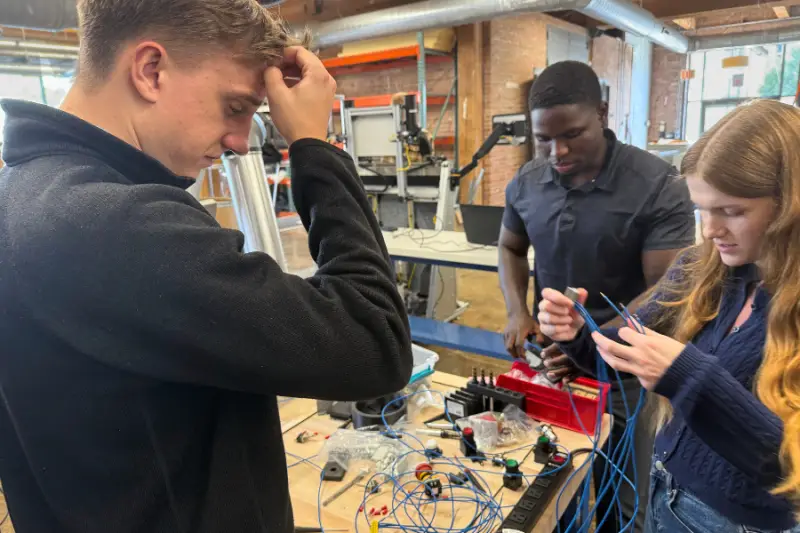
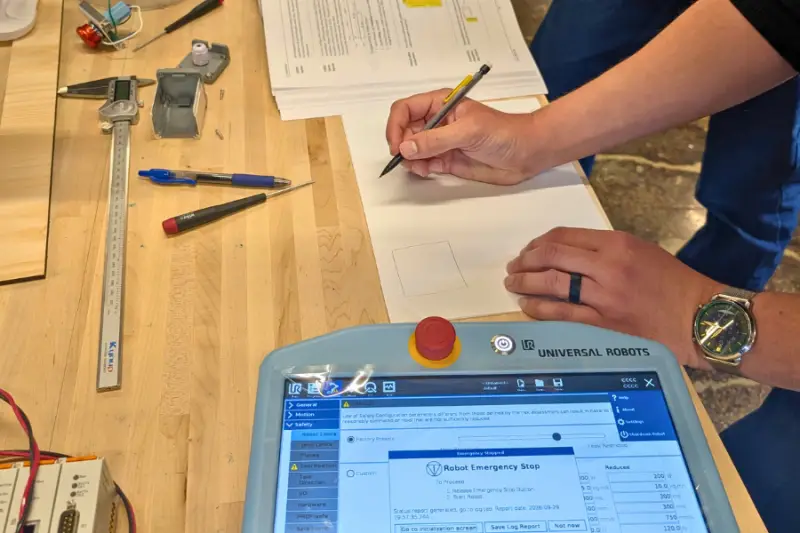
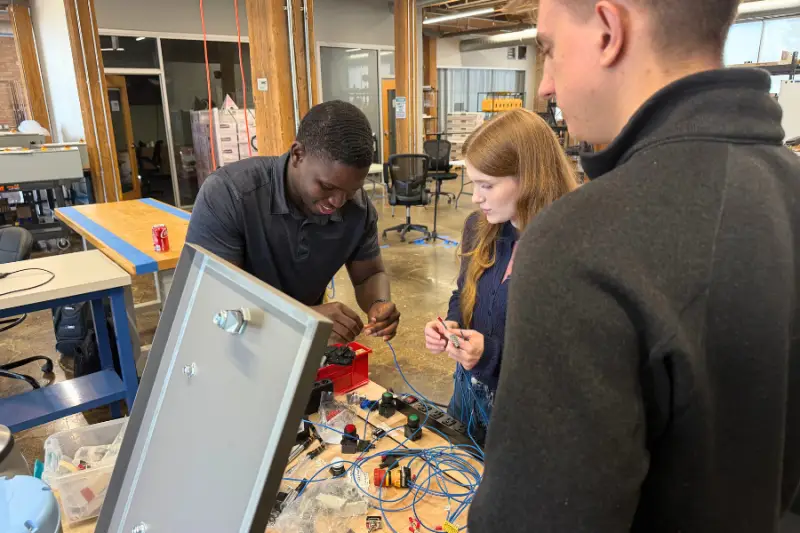
The team then moved to DMC’s Manufacturing Center for a half-day project with the Test & Measurement team. The task was to wire simulated I/O for remote control of a cobot. Engineers split the work across several activities: laser-etching a holder and switch labels, assembling wiring and tools, connecting components, coordinating the project and recording the design for future schematic work.
That division made the exercise useful beyond the wiring itself. Electrical design had to connect with fabrication, project management and documentation, while participants contributed to a shared result. Huicochea summed up the format as “Everyone got a piece of the pie.” For engineers who may work across different offices or service areas, a compact hands-on project makes those interfaces visible and gives colleagues a chance to learn how others approach the work.
Shared procedures and training resources
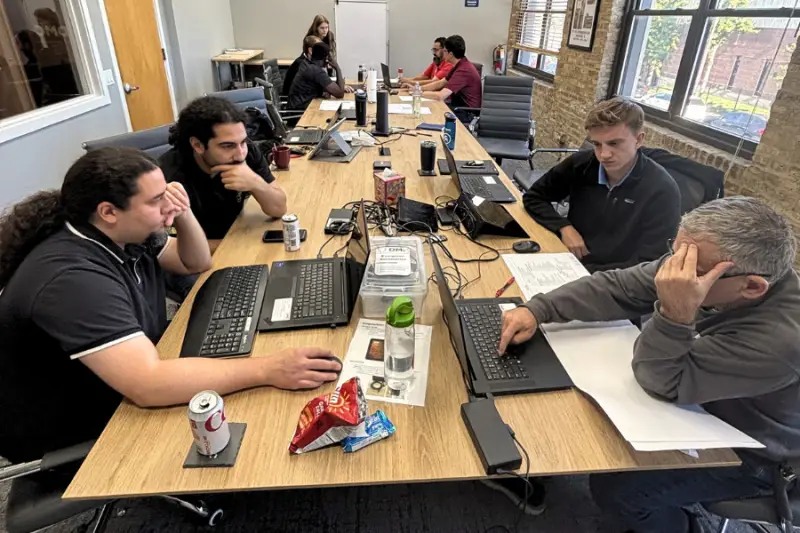
A separate session focused on making the team’s working knowledge easier to find and reuse. Engineers drafted standard operating procedures, gathered commonly used tools into a shared resource and expanded onboarding materials. Some tools had previously been kept on individual laptops, making it harder for colleagues to discover what was available or understand when a particular option fit a task.
The goal is a common place where engineers can assess the available tools and choose an approach suited to the design. As Huicochea put it, electrical design can take “a lot of different directions”; a shared resource gives the team a starting point for those choices without erasing individual judgment.
The group also documented procedures for UL 508A certification. A simplified reference, paired with training, is intended to make the requirements easier for engineers to navigate. The team reviewed and finalized additional onboarding classes as well. New hires had previously completed two introductory sessions covering fundamentals such as schematics, components and electrical panels; the added material broadens that curriculum.
These resources address a practical challenge for a growing engineering group: experience held by individual team members becomes more useful when colleagues can find it, understand it and apply it to their own projects. Documented procedures and onboarding materials give new engineers a clearer entry point while helping experienced staff share established practices.
UL 508A training links design and fabrication
On the final day, an instructor led Manufacturer Technical Representative training on the latest UL 508A requirements, followed by an exam. UL 508A covers the construction of industrial control panels, so familiarity with its requirements informs decisions made well before a panel reaches fabrication. Component selection, panel layouts and schematics all shape how a design develops.
DMC’s control panel design services incorporate UL 508A compliance, and its Manufacturing Center operates as a UL 508A-certified panel shop. Holding the training during the summit brought the engineering team through the material together, supporting a more consistent understanding across projects and a smoother handoff from design to panel fabrication. Huicochea said scheduling the session with the full team in Chicago worked well because everyone could complete the training at once.
Time together beyond the technical sessions
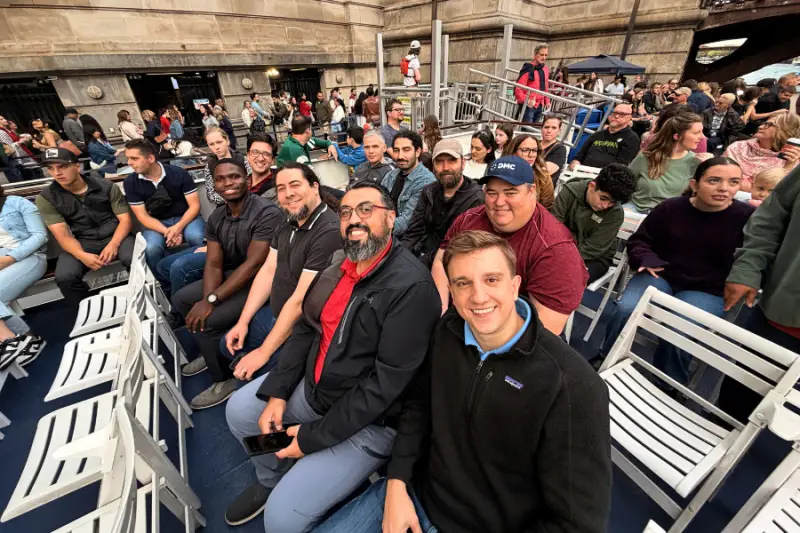
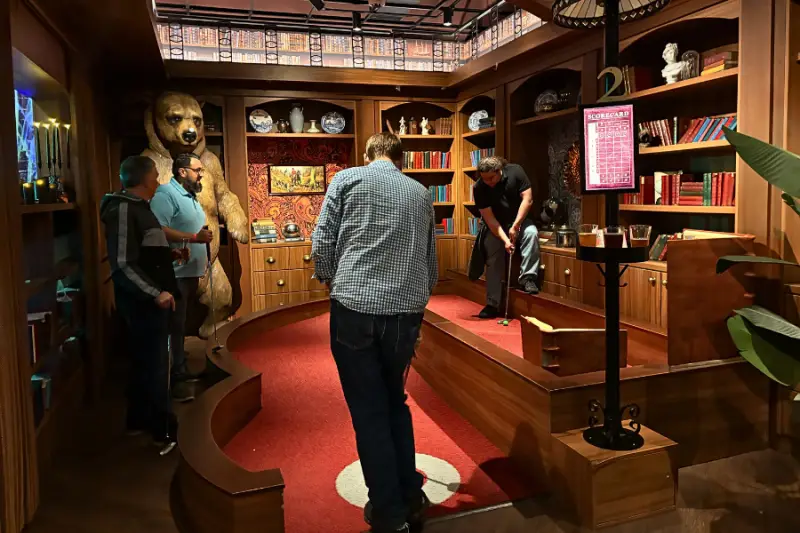
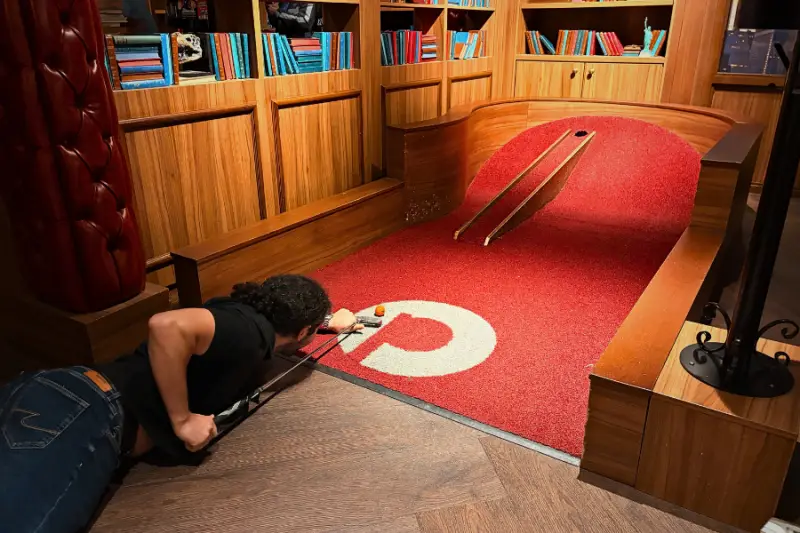
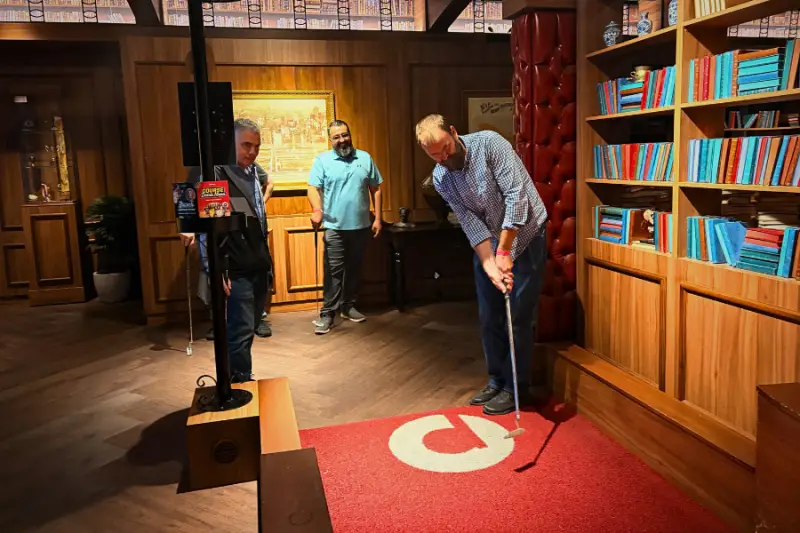
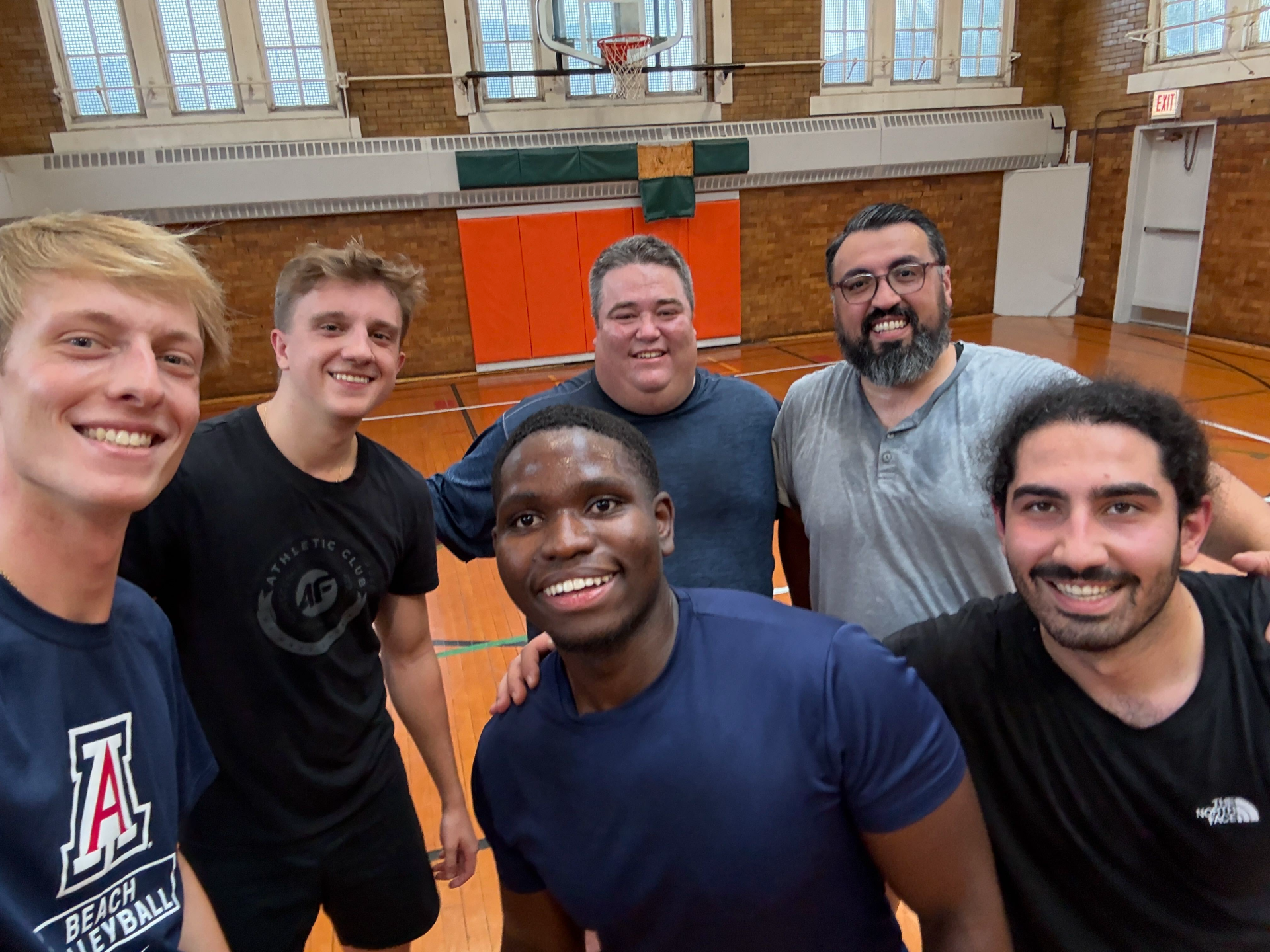
Engineers also used the week to build relationships beyond their project teams. The schedule included a sunset Chicago Architecture Boat Tour followed by dinner at Lou Malnati’s, mini golf at The Puttery in the West Loop, and basketball after a change in the weather. Engineer Zach Higgs won the mini golf outing.
For recent hire Bryne Chi, the boat tour stood out as the city lights came on at dusk. More significant for the team’s everyday work, Chi said the summit created space to talk with colleagues they had not worked with closely before. Distributed teams can share documents and procedures, but informal conversations help people learn whom to consult and build working relationships across offices.
Across four days, the summit connected design tools, shop-floor practice, training and team knowledge. EPLAN exploration and cobot wiring gave engineers shared technical experience; SOPs and expanded onboarding made knowledge easier to pass on; and UL 508A training aligned the team around requirements that affect both design and fabrication. As DMC’s electrical engineering group grows, these shared references and relationships can help engineers coordinate work across projects and locations.
DMC’s work spans electrical design, panel fabrication, controls integration and testing, linking engineering decisions with the systems built for industrial automation.